Allergic Rhinitis
An authoritative clinical profile of Allergic Rhinitis covering IgE-mediated upper mucosal inflammation, ARIA 2020 diagnostic criteria, emergency upper airway red flags, and non-replacement safety rules.
Editorial review complete
Independent clinical validation is pending.
Quick Reference Facts
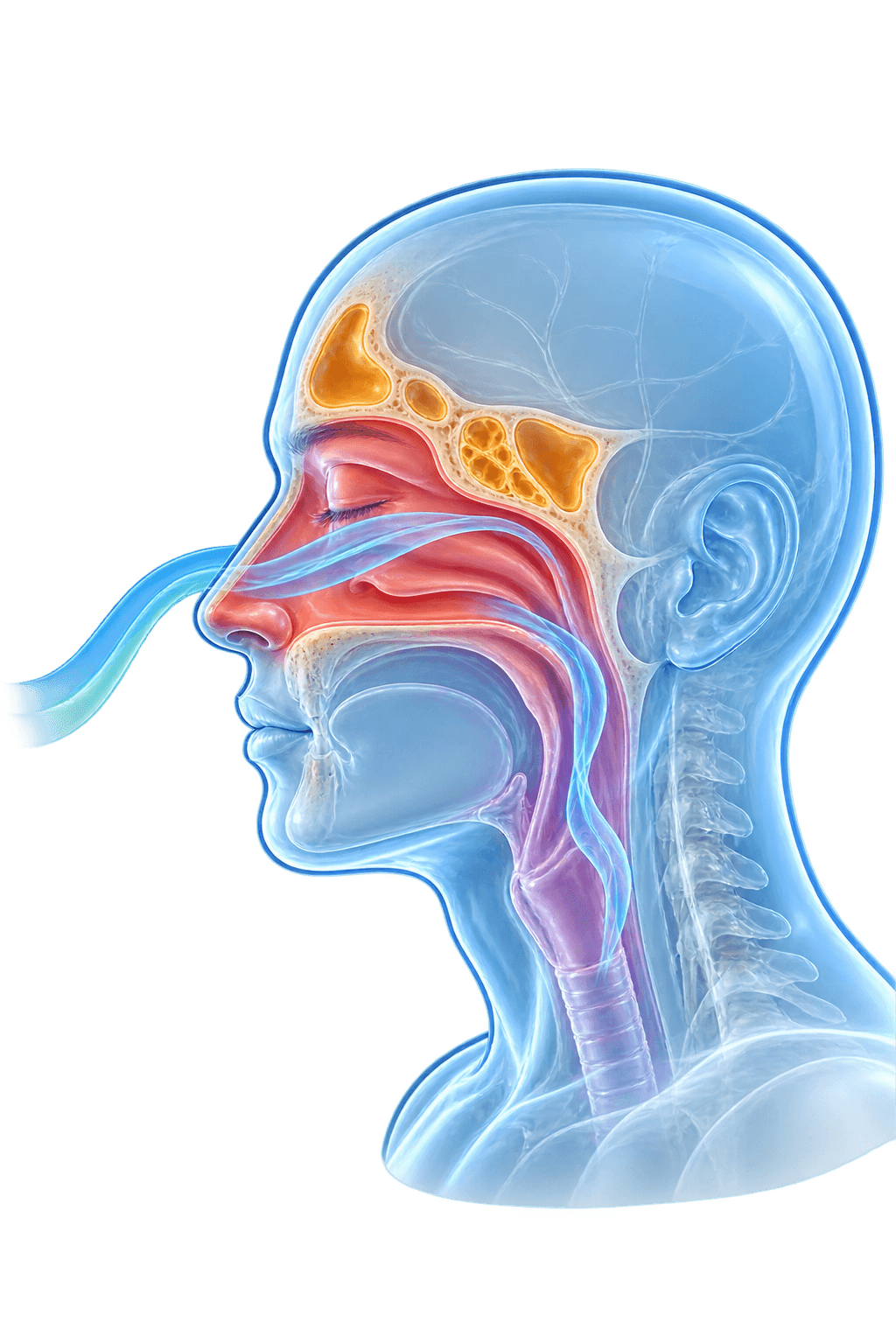
Visual guide
 Homeo Healthcare
 Homeo Healthcare
 Homeo Healthcare
In simple words
Allergic rhinitis (hay fever causing sneezing and nasal congestion) is an IgE-mediated symptomatic inflammation of the nasal mucosa triggered by allergen exposure [D0005-KEYNOTES, CIT-0038]. It presents with paroxysmal sneezing, watery rhinorrhea, nasal congestion, and conjunctival itching.
An IgE-mediated type-I hypersensitivity disorder of the upper respiratory tract characterized by eosinophilic infiltration, histamine release, and mucosal hyper-reactivity.
Common causes
- IgE-mediated mast cell degranulation triggered by airborne aeroallergens (pollens, dust mites, mold spores, animal dander) [D0005-KEYNOTES, CIT-0038]
- Early-phase histamine and leukotriene release causing vasodilation and rhinorrhea
- Late-phase eosinophilic and T-lymphocyte mucosal infiltration maintaining chronic nasal congestion
Risk Factors
- Personal or family history of atopic diseases (eczema, asthma, allergic conjunctivitis)
- Exposure to secondhand environmental tobacco smoke, air pollution, or occupational sensitizers
- Early exposure to indoor house dust mites and pet allergens
Common symptoms
- Paroxysmal sneezing bursts occurring repeatedly upon waking or allergen exposure [D0005-KEYNOTES, CIT-0038]
- Profuse, clear, watery nasal discharge (rhinorrhea) with anterior and posterior nasal drip
- Bilateral nasal airway obstruction and turbinate hypertrophy
- Pruritus of the nose, palate, throat, and conjunctiva with lacrimation
Lifestyle & diet support
Implement allergen barrier controls, utilize HEPA air filters, perform daily isotonic saline nasal irrigations, and keep windows closed during high pollen counts.
Treatment Approaches
Conventional Management
Standard therapy includes allergen avoidance, second-generation non-sedating oral H1-antihistamines, intranasal corticosteroid sprays, leukotriene receptor antagonists, and allergen immunotherapy [CIT-0038].
Homeopathic Approach
Homeopathic prescribing focuses on acute symptom palliation during seasonal flares and constitutional therapy aimed at desensitizing allergic diathesis.
Frequently Asked Questions
Clinical & academic detailShow detailHide detail
Diagnosis & tests
Investigation Protocol
Diagnosed via clinical history of symptoms following allergen exposure, anterior rhinoscopy showing pale bluish boggy turbinates, and allergen-specific IgE testing or skin prick testing [CIT-0038].
Differential Diagnosis
Differentiate from non-allergic (vasomotor) rhinitis, infectious rhinosinusitis, rhinitis medicamentosa (overuse of topical decongestants), nasal polyposis, and cerebrospinal fluid (CSF) rhinorrhea.
Differential Diagnosis Matrix
Differentiate from non-allergic (vasomotor) rhinitis, infectious rhinosinusitis, rhinitis medicamentosa (overuse of topical decongestants), nasal polyposis, and cerebrospinal fluid (CSF) rhinorrhea.
Reference Citations & Evidence Sources
Clinical Guidelines & Consensus Statements
- CIT-0020National Institutes of Health (NIH). "Guidelines for the Diagnosis and Management of Asthma (EPR-3)." National Heart, Lung, and Blood Institute (NHLBI) (2007).
- CIT-0021Brożek J. L., Bousquet J., Agache I., et al.. "Allergic Rhinitis and its Impact on Asthma (ARIA) guidelines—2016 revision." Journal of Allergy and Clinical Immunology (2017).DOI PubMed
- CIT-0038Bousquet J., Schünemann H. J., Samolinski B.. "Allergic Rhinitis and its Impact on Asthma (ARIA) Guidelines: 2020 Revision." Journal of Allergy and Clinical Immunology (2020).
Clinical Reviews & Textbooks
- CIT-0022Jethwani N.. "Internal Clinical Review Note: Standard Reference Values and Homeopathic Therapeutic Mappings for Lab Diagnostics." Homeo Healthcare Internal Review Series (2026).
Clinical Connections
Related Comparisons
Seeking Expert Consultation?
Book an online video session with Dr. Narayan Jethwani to get an individualized constitutional homeopathic protocol tailored to your case.
Medical Safety Disclaimer
All content on the Homeo Healthcare platform is strictly for educational purposes and is not personal medical advice, diagnosis, or treatment. Homeopathic remedy considerations are provided for clinician review or require individualized consultation with a qualified physician. Never delay seeking professional medical advice or emergency medical care due to content you have read on this website.