Primary & Secondary Dysmenorrhea
An authoritative clinical profile of Primary and Secondary Dysmenorrhea covering ACOG 2018 guidelines, endometrial prostaglandin F2α hyper-secretion mechanics, ectopic pregnancy / PID emergency red flags, and gynecological diagnostic boundaries.
Editorial review complete
Independent clinical validation is pending.
Quick Reference Facts
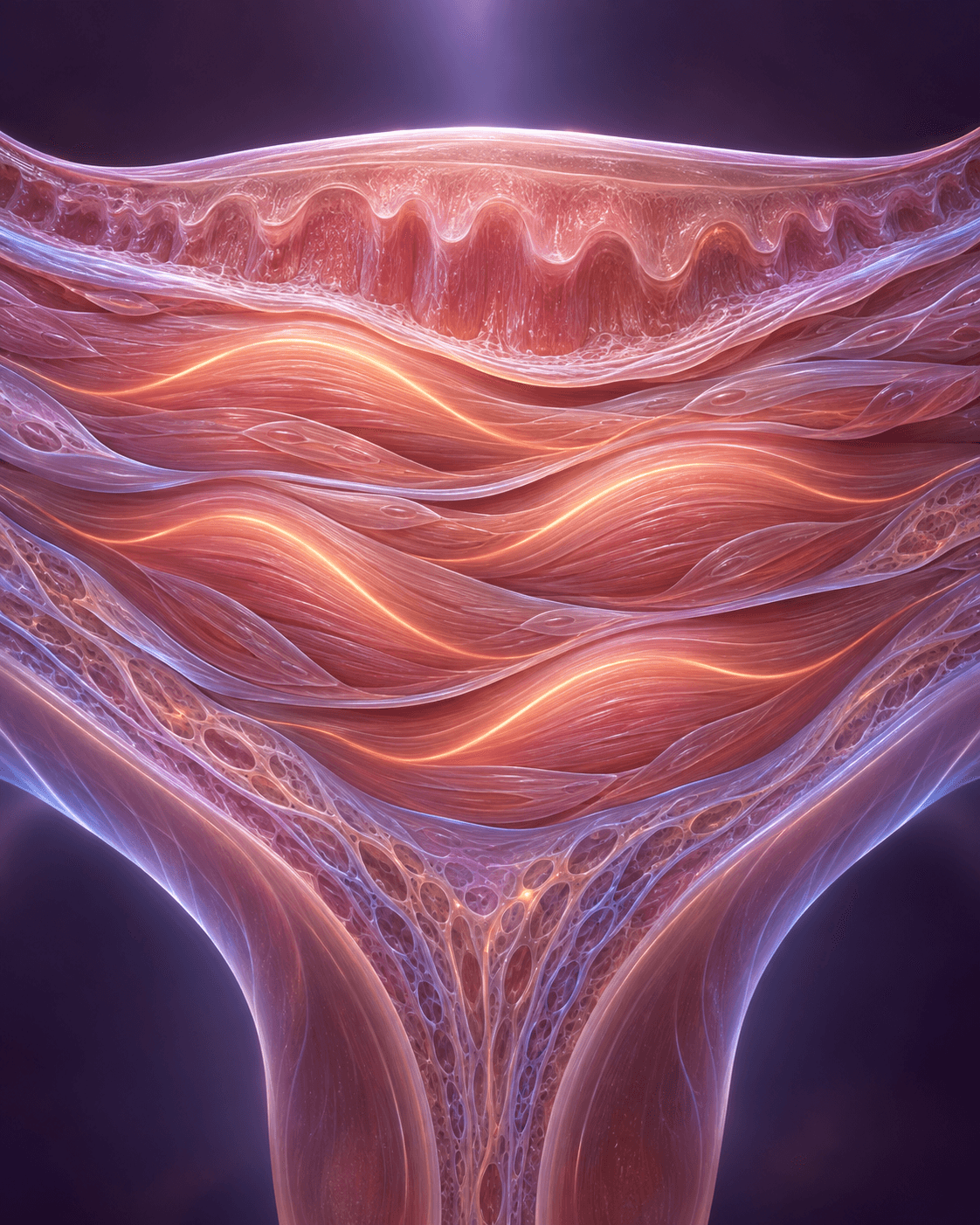
Visual guide
 Homeo Healthcare
 Homeo Healthcare
 Homeo Healthcare
In simple words
Dysmenorrhea refers to painful menstrual cramps of uterine origin, categorized into primary (absence of pelvic pathology) and secondary (underlying pelvic disease) dysmenorrhea [D0033-KEYNOTES, CIT-0057]. ACOG 2018 emphasizes early evaluation for secondary causes like endometriosis.
Recurrent, painful suprapubic uterine cramping occurring with menses. Primary dysmenorrhea is driven by elevated endometrial prostaglandin F2α (PGF2α) causing uterine hyper-contractility and ischemia. Secondary dysmenorrhea stems from identifiable pelvic organ pathology.
Common causes
- Prostaglandin F2α and E2 overproduction during endometrial shedding causing myometrial contractions and ischemic pain [D0033-KEYNOTES, CIT-0057]
- Secondary pelvic diseases: Endometriosis, Adenomyosis, Uterine Fibroids (leiomyomas), Pelvic Inflammatory Disease (PID), and IUD placement
- Cervical stenosis or congenital obstructive Müllerian tract anomalies
Risk Factors
- Age <30 years, early menarche (<12 years), nulliparity, and heavy menstrual flow (menorrhagia)
- Cigarette smoking, low BMI, family history of dysmenorrhea or endometriosis
- Psychosocial stress and history of pelvic inflammatory disease
Common symptoms
- Sharply localized or spasmodic lower abdominal / suprapubic pain starting 1-2 days before or with menstrual onset, lasting 12-72 hours [D0033-KEYNOTES, CIT-0057]
- Radiation of cramping discomfort to the lower back and anterior thighs
- Associated systemic symptoms: Nausea, vomiting, diarrhea, fatigue, dizziness, and headache
Lifestyle & diet support
Apply localized heat (heating pad) to lower abdomen, engage in regular aerobic exercise, practice stress relaxation techniques, and maintain dietary magnesium and omega-3 fatty acid intake.
Treatment Approaches
Conventional Management
Management includes first-line nonsteroidal anti-inflammatory drugs (NSAIDs - ibuprofen, naproxen, mefenamic acid) to inhibit cyclooxygenase and prostaglandin synthesis, combined hormonal contraceptives (oral, transdermal, vaginal ring, levonorgestrel IUD), and surgical excision for endometriosis/fibroids [CIT-0057].
Homeopathic Approach
Homeopathic remedies (such as Magnesia Phosphorica, Colocynthis, Pulsatilla, Chamomilla, Sabina) serve as supportive care to relieve spasmodic uterine cramping, calm emotional irritability, and improve menstrual comfort alongside gynecological monitoring.
Frequently Asked Questions
Clinical & academic detailShow detailHide detail
Diagnosis & tests
Investigation Protocol
Primary dysmenorrhea is diagnosed clinically in adolescents and young women based on history and normal pelvic exam. Secondary dysmenorrhea requires pelvic transvaginal ultrasound, STI screening (chlamydia/gonorrhea), and high-resolution MRI or laparoscopy for suspected endometriosis [CIT-0057].
Differential Diagnosis
Differentiate Primary Dysmenorrhea from Endometriosis, Adenomyosis, Ectopic Pregnancy, Acute Pelvic Inflammatory Disease (PID), Ovarian Cyst Rupture/Torsion, and Appendicitis.
Differential Diagnosis Matrix
Differentiate Primary Dysmenorrhea from Endometriosis, Adenomyosis, Ectopic Pregnancy, Acute Pelvic Inflammatory Disease (PID), Ovarian Cyst Rupture/Torsion, and Appendicitis.
Reference Citations & Evidence Sources
Clinical Guidelines & Consensus Statements
Materia Medica & Keynotes
- CIT-0004Hahnemann S.. "Materia Medica Pura." Adolph Arnold (1811).
- CIT-0005Kent J. T.. "Lectures on Homoeopathic Materia Medica." Boericke & Tafel (1905).
- CIT-0006Boericke W.. "Pocket Manual of Homoeopathic Materia Medica." Boericke & Runyon (1901).
No clinical connections registered for this topic.
Seeking Expert Consultation?
Book an online video session with Dr. Narayan Jethwani to get an individualized constitutional homeopathic protocol tailored to your case.
Medical Safety Disclaimer
All content on the Homeo Healthcare platform is strictly for educational purposes and is not personal medical advice, diagnosis, or treatment. Homeopathic remedy considerations are provided for clinician review or require individualized consultation with a qualified physician. Never delay seeking professional medical advice or emergency medical care due to content you have read on this website.