Atopic Dermatitis (Eczema)
A chronic, inflammatory skin condition characterized by dry, red, intensely itchy patches, resulting from skin barrier dysfunction and immune dysregulation.
Editorial review complete
Independent clinical validation is pending.
Quick Reference Facts
"Effective eczema management requires daily barrier repair ('soak and seal') combined with targeted flare suppression; rapid blistering or severe systemic signs require emergency viral/bacterial ruling out."
Visual guide
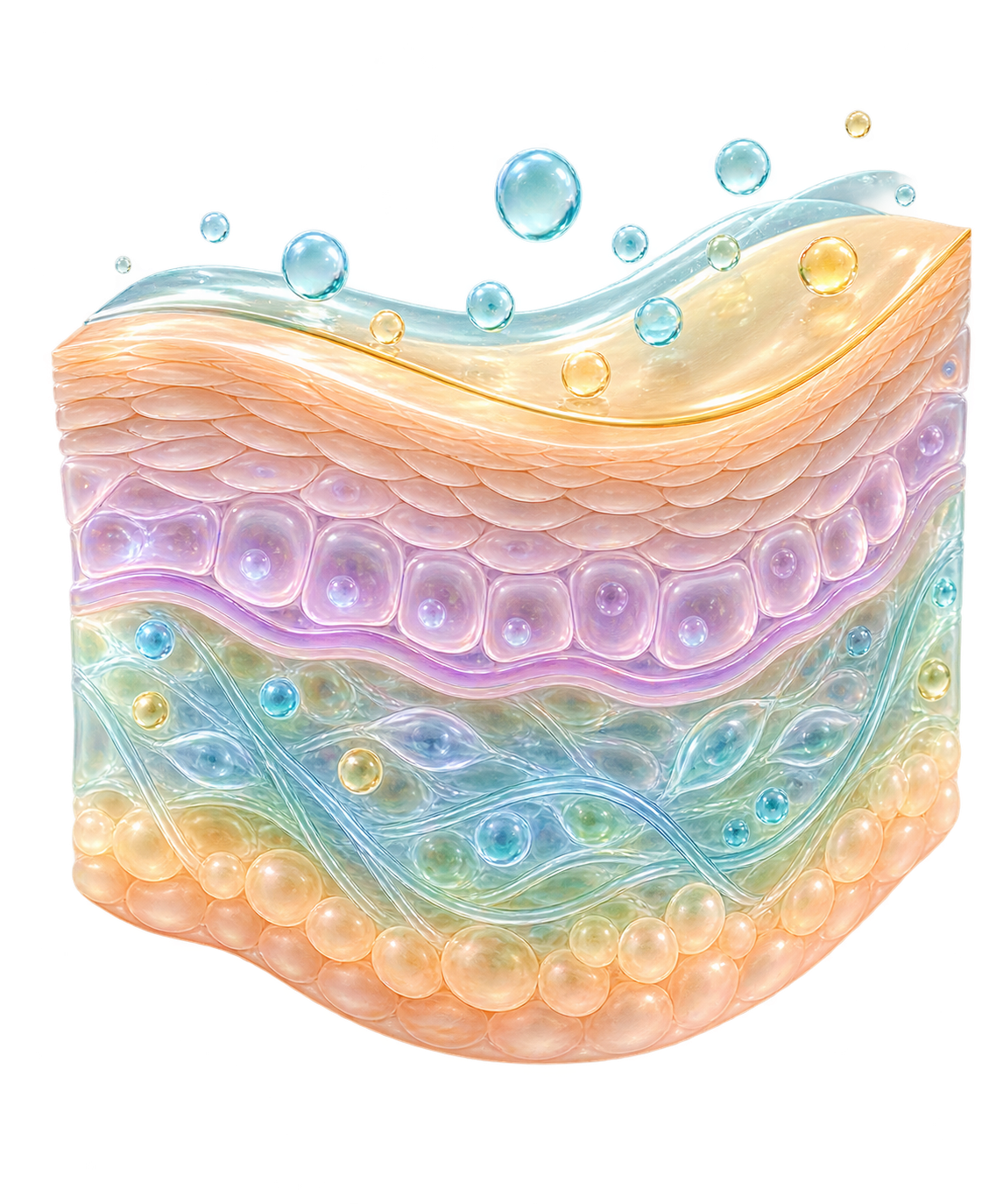
 Homeo Healthcare
 Homeo Healthcare
 Homeo Healthcare
In simple words
Atopic dermatitis (eczema, a chronic inflammatory skin condition) (eczema) is a non-contagious, relapsing inflammatory skin disorder driven by epidermal barrier dysfunction (such as filaggrin deficiencies) and immune dysregulation. It presents with pruritus, xerosis, and erythematous lesions, significantly impacting quality of life.
Atopic dermatitis (eczema, a chronic inflammatory skin condition) is a chronic, relapsing, pruritic inflammatory skin disease characterized by epidermal barrier dysfunction, immune hyperreactivity, and recurrent eczematous papules, plaques, and lichenification.
Common causes
- Epidermal barrier failure due to genetic defects (e.g., filaggrin gene mutations) leading to transepidermal water loss
- Immune system dysregulation with T-helper-2 (Th2) cytokine pathway dominance
- Environmental triggers including harsh cleansers, wool, airborne allergens, climate extremes, and emotional stress
Risk Factors
- Personal or family history of atopic conditions (asthma, allergic rhinitis, atopic dermatitis)
- Frequent exposure to irritants, dry cold weather, or low humidity
- Cutaneous colonization by Staphylococcus aureus impairing skin microbial diversity
Common symptoms
- Intense pruritus (itching) that often worsens at night and impairs sleep
- Erythematous, dry, scaling plaques and papules
- Exudative weeping and crusting in acute flares; lichenification (thickened skin) in chronic stages
- Typical age-dependent distribution: flexural creases in older children/adults, facial and extensor surfaces in infants
Clinical Red Flags
Seek urgent medical attention at an emergency department or primary care clinic if you present with any of the following symptoms:
- Rapidly spreading painful vesicular rash or punched-out erosions with fever (suspect eczema herpeticum; immediate emergency review)
- Erythroderma involving >90% body surface area with fever, chills, or metabolic instability
- Signs of severe secondary bacterial infection (extensive purulent discharge, spreading cellulitis, high fever)
Lifestyle & diet support
Apply unfragranced, thick emollients immediately after bathing while skin is damp ('soak and seal'). Take brief lukewarm baths or showers using soap-free mild cleansers. Avoid known individual irritants, wear soft breathable cotton clothing, and maintain short fingernails to prevent excoriation trauma.
Treatment Approaches
Conventional Management
Management centers on skin barrier repair with liberal emollient therapy applied frequently. Topical anti-inflammatory agents—topical corticosteroids (TCS) and topical calcineurin inhibitors (TCI)—are first-line for active flares. Phototherapy, systemic immunosuppressants, or biologic agents (e.g., dupilumab) are prescribed for severe, refractory cases under dermatological care.
Homeopathic Approach
Reliable clinical evidence has not established homeopathy as a treatment for atopic dermatitis or its complications. It must not replace diagnostic evaluation, emergency care, proven barrier emollients, or prescription topical anti-inflammatory therapy. Patients considering complementary care should inform their dermatologist.
Frequently Asked Questions
Clinical & academic detailShow detailHide detail
Diagnosis & tests
Investigation Protocol
Diagnosis is clinical, based on history, lesion morphology, and disease chronicity (e.g., UK Working Party criteria). Patch testing may be used if allergic contact dermatitis is suspected. Routine allergy blood or skin-prick testing is not indicated without specific clinical trigger history.
Differential Diagnosis
Important alternatives include allergic contact dermatitis, seborrheic dermatitis, psoriasis, scabies infestation, cutaneous fungal infections, and severe immunodeficiency syndromes.
Imaging is not indicated for uncomplicated atopic dermatitis.
Differential Diagnosis Matrix
Important alternatives include allergic contact dermatitis, seborrheic dermatitis, psoriasis, scabies infestation, cutaneous fungal infections, and severe immunodeficiency syndromes.
Reference Citations & Evidence Sources
Clinical Guidelines & Consensus Statements
- CIT-0019NICE. "Atopic eczema in under 12s: diagnosis and management." NICE Guideline CG57 (2007).
Clinical Reviews & Textbooks
- CIT-0022Jethwani N.. "Internal Clinical Review Note: Standard Reference Values and Homeopathic Therapeutic Mappings for Lab Diagnostics." Homeo Healthcare Internal Review Series (2026).
- CIT-0023National Center for Complementary and Integrative Health. "Homeopathy: What You Need To Know." National Institutes of Health (2021).
Clinical Connections
Related Symptoms
Related Remedies
Related Investigations
Clinical Case Studies
Related Comparisons
Seeking Expert Consultation?
Book an online video session with Dr. Narayan Jethwani to get an individualized constitutional homeopathic protocol tailored to your case.
Medical Safety Disclaimer
All content on the Homeo Healthcare platform is strictly for educational purposes and is not personal medical advice, diagnosis, or treatment. Homeopathic remedy considerations are provided for clinician review or require individualized consultation with a qualified physician. Never delay seeking professional medical advice or emergency medical care due to content you have read on this website.