Hypertension (High Blood Pressure)
An authoritative clinical profile of Systemic Arterial Hypertension covering ACC/AHA 2017 staging criteria, end-organ vascular risk, hypertensive crisis emergency red flags, and anti-hypertensive non-discontinuation rules.
Editorial review complete
Independent clinical validation is pending.
Quick Reference Facts
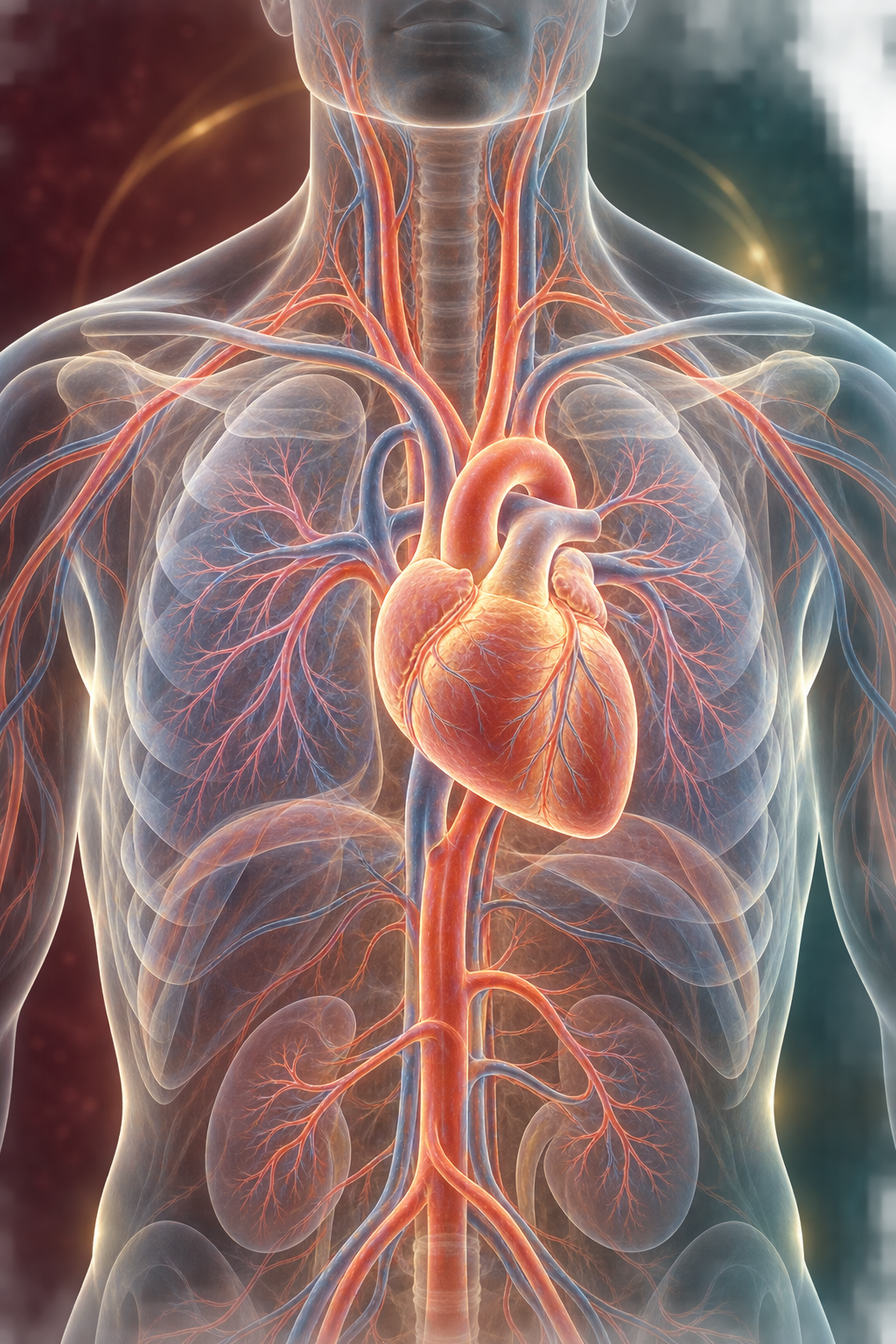
Visual guide
 Homeo Healthcare
 Homeo Healthcare
 Homeo Healthcare
In simple words
Essential hypertension is defined as persistent elevation of systemic arterial blood pressure (systolic BP ≥130 mmHg or diastolic BP ≥80 mmHg) [D0009-KEYNOTES, CIT-0039]. Often asymptomatic, it is a primary risk factor for stroke, myocardial infarction, heart failure, and chronic kidney disease.
A chronic cardiovascular condition characterized by sustained elevated vascular resistance against left ventricular ejection, resulting in arterial wall remodeling and end-organ microvascular injury.
Common causes
- Essential (primary) hypertension (90-95% of cases): Polygenic inheritance, renal sodium retention, sympathetic hyperactivity, and endothelial dysfunction [D0009-KEYNOTES, CIT-0039]
- Secondary hypertension (5-10% of cases): Chronic kidney disease, renovascular stenosis, primary aldosteronism, obstructive sleep apnea, or pheochromocytoma
Risk Factors
- Advanced age, family history of premature cardiovascular disease, and South Asian / African-American ethnicity
- High dietary sodium intake (>2,300 mg/day), low potassium intake, sedentary lifestyle, and obesity
- Excessive alcohol consumption, chronic psycho-emotional stress, and tobacco use
Common symptoms
- Often asymptomatic ('silent killer') until end-organ complications manifest [D0009-KEYNOTES, CIT-0039]
- Occipital morning headache, dizziness, epistaxis, or exertional dyspnea in severe blood pressure elevations
- Hypertensive crisis symptoms: Severe headache, chest pain, dyspnea, neurological deficits, or visual alterations
Lifestyle & diet support
Adopt the DASH diet, restrict daily sodium intake, engage in 150 minutes/week of moderate aerobic activity, limit alcohol, and maintain daily home BP logs.
Treatment Approaches
Conventional Management
Therapy combines DASH dietary modifications, sodium restriction (<1,500 mg/day), aerobic exercise, and guideline-directed anti-hypertensive pharmacotherapy (ACE inhibitors/ARBs, CCBs, thiazide diuretics) [CIT-0039].
Homeopathic Approach
Homeopathic management serves as a supportive constitutional therapy to address anxiety, stress-induced vascular tone, and lifestyle factors alongside regular blood pressure monitoring.
Frequently Asked Questions
Clinical & academic detailShow detailHide detail
Diagnosis & tests
Investigation Protocol
Diagnosed by multiple standardized resting blood pressure measurements across ≥2 clinical visits, out-of-office ambulatory BP monitoring (ABPM), baseline serum creatinine, eGFR, lipid profile, fasting glucose, urinalysis, and 12-lead ECG [CIT-0039].
Differential Diagnosis
Differentiate essential hypertension from secondary renal, endocrine, or vascular causes, white-coat hypertension, and acute pain-induced hypertension.
Differential Diagnosis Matrix
Differentiate essential hypertension from secondary renal, endocrine, or vascular causes, white-coat hypertension, and acute pain-induced hypertension.
Reference Citations & Evidence Sources
Clinical Guidelines & Consensus Statements
- CIT-0039Whelton P. K., Carey R. M., Aronow W. S.. "2017 ACC/AHA/AAPA/ABC/ACPM/AGS/APhA/ASH/ASPC/NMA/PCNA Guideline for High Blood Pressure in Adults." Journal of the American College of Cardiology (2018).
Materia Medica & Keynotes
- CIT-0004Hahnemann S.. "Materia Medica Pura." Adolph Arnold (1811).
- CIT-0005Kent J. T.. "Lectures on Homoeopathic Materia Medica." Boericke & Tafel (1905).
- CIT-0006Boericke W.. "Pocket Manual of Homoeopathic Materia Medica." Boericke & Runyon (1901).
No clinical connections registered for this topic.
Seeking Expert Consultation?
Book an online video session with Dr. Narayan Jethwani to get an individualized constitutional homeopathic protocol tailored to your case.
Medical Safety Disclaimer
All content on the Homeo Healthcare platform is strictly for educational purposes and is not personal medical advice, diagnosis, or treatment. Homeopathic remedy considerations are provided for clinician review or require individualized consultation with a qualified physician. Never delay seeking professional medical advice or emergency medical care due to content you have read on this website.