Peripheral Neuropathy (Distal Symmetric Polyneuropathy & Diabetic Neuropathy)
An authoritative clinical and educational profile of Peripheral Neuropathy (Distal Symmetric Polyneuropathy / DSPN), covering length-dependent axonal degeneration, microvascular endoneurial ischemia, 'stocking-glove' sensory loss and burning dysesthesias, constitutional homeopathic supportive management, and emergency red flags for acute ascending Guillain-Barré syndrome, infected neuropathic foot ulcers with osteomyelitis, and Charcot neuroarthropathy.
Editorial review complete
Independent clinical validation is pending.
Quick Reference Facts
"Perform the 10-gram Semmes-Weinstein monofilament test annually on every diabetic patient; loss of monofilament sensation is the single strongest predictor of future foot ulceration."
Visual guide
 Homeo Healthcare
 Homeo Healthcare
 Homeo Healthcare
In simple words
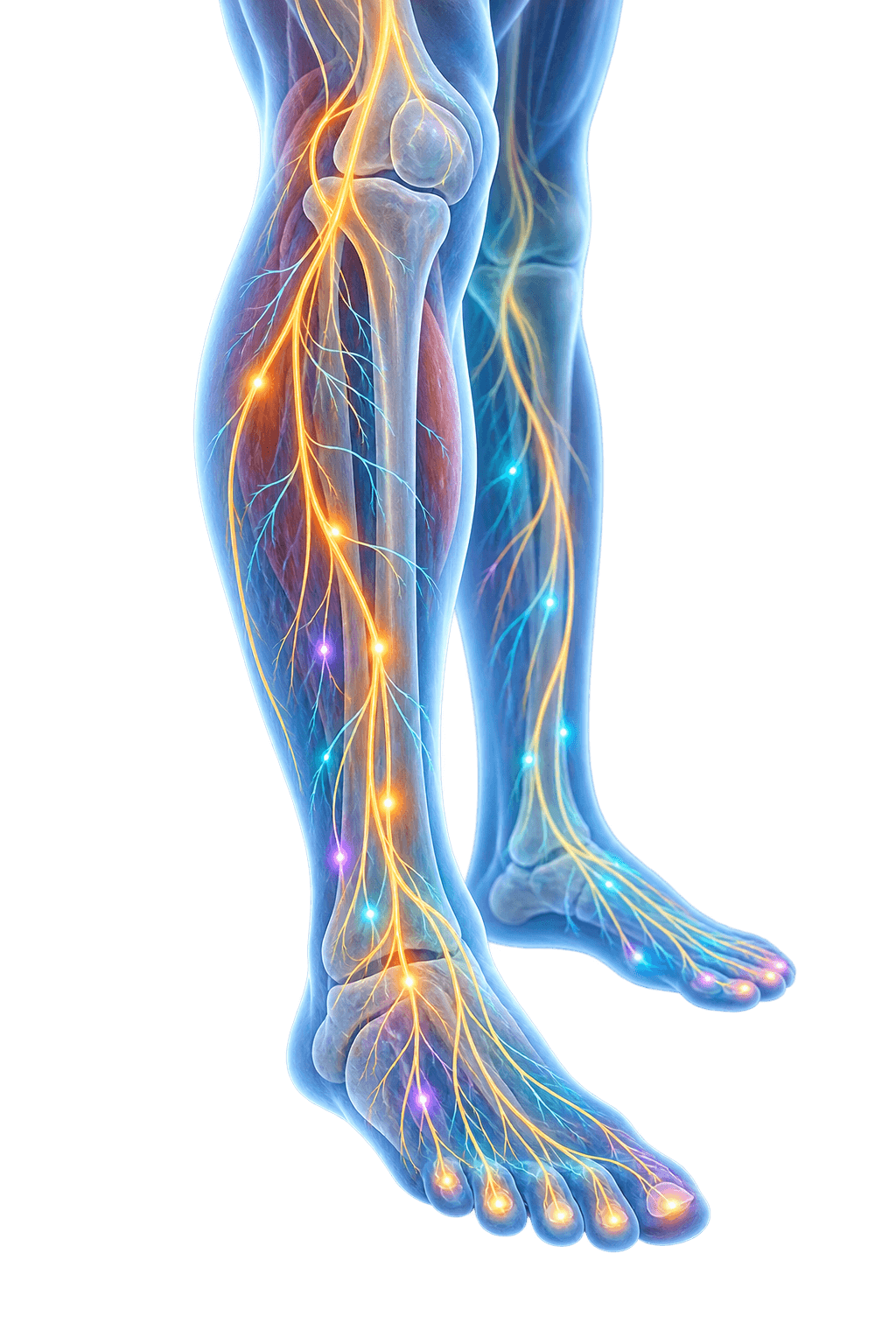
Peripheral Neuropathy is a broad, debilitating neurological disorder caused by structural damage, metabolic injury, or dysfunction of the peripheral sensory, motor, or autonomic nerve fibers outside the brain and spinal cord. The most common presentation is Distal Symmetric Sensorimotor Polyneuropathy (DSPN)—a classical 'length-dependent' dying-back axonopathy that initially affects the longest nerve terminals in the lower extremities before progressing proximally in a characteristic 'stocking-glove' distribution. Predominantly driven by Diabetes Mellitus (diabetic peripheral neuropathy affecting >50% of long-term diabetic patients), chronic alcoholism, chemotherapy toxicity, and nutritional deficiencies, it manifests with burning neuropathic pain, electric shock paresthesias, sensory loss (numbness), balance instability, and loss of protective sensation predisposing to painless neuropathic foot ulcers.
A clinical and electrophysiological syndrome characterized by diffuse, symmetric damage to peripheral somatic and autonomic nerve axons or their myelin sheaths, presenting with length-dependent distal sensory loss, neuropathic pain, or motor weakness.
Common causes
- Metabolic microvascular injury: chronic hyperglycemia in Diabetes Mellitus activates the polyol (sorbitol) pathway, forms advanced glycation end-products (AGEs), induces endoneurial microvascular capillary occlusion and hypoxia, and generates intense neuro-oxidative stress
- Nutritional and toxic etiologies: chronic alcohol neurotoxicity (direct toxic metabolite injury plus associated thiamine deficiency), Vitamin B12 (cobalamin) deficiency (subacute combined degeneration / demyelination), Vitamin B1 (thiamine) and Vitamin B6 (pyridoxine) deficiency or toxicity
- Chemotherapy-Induced Peripheral Neuropathy (CIPN): neurotoxic antineoplastic drugs disrupting axonal microtubule transport or mitochondrial function (taxanes: paclitaxel; platinum compounds: oxaliplatin, cisplatin; vinca alkaloids: vincristine; proteasome inhibitors: bortezomib)
- Immune-mediated and inflammatory neuropathies: Chronic Inflammatory Demyelinating Polyneuropathy (CIDP), Guillain-Barré Syndrome (acute post-infectious autoimmune demyelination), and systemic vasculitic mononeuritis multiplex
- Infectious neuropathies: Post-Herpetic Neuralgia, Leprosy (Hansen's disease; world's leading infectious cause of peripheral nerve damage), HIV/AIDS, Hepatitis C (cryoglobulinemia), and Lyme disease (Borrelia burgdorferi)
- Systemic and hereditary disorders: Chronic Kidney Disease (uremic neuropathy), Hypothyroidism, Monoclonal Gammopathy of Undetermined Significance (MGUS / anti-MAG neuropathy), and Charcot-Marie-Tooth disease (hereditary motor and sensory neuropathy [HMSN])
Risk Factors
- Poorly controlled Diabetes Mellitus (elevated HbA1c >7.0–8.0% and long duration of diabetes >10 years)
- Chronic heavy alcohol consumption and malnutrition
- Undergoing neurotoxic cancer chemotherapy regimens
- Bariatric surgery, restrictive vegan diets, or malabsorption syndromes without adequate Vitamin B12 / B-complex supplementation
- Chronic renal failure on hemodialysis or untreated primary hypothyroidism
Common symptoms
- Positive sensory symptoms (neuropathic pain): continuous burning sensations, sharp lancinating pains, electric shocks, hyperalgesia, and cutaneous allodynia ('even the weight of bedsheets causes agonizing burning on the feet')
- Negative sensory symptoms (sensory loss): progressive numbness, sensation of 'walking on cotton, wool, or pebbles', and loss of temperature discrimination (inability to distinguish hot from cold water)
- Stocking-glove pattern: sensory loss begins symmetrically at the toes, ascends up the feet and lower legs to the mid-calf, and only then begins in the fingertips and hands
- Loss of proprioception and vibratory sensation: sensory ataxia, broad-based unsteady gait, frequent stumbling, and positive Romberg's sign (swaying/falling when closing eyes)
- Motor manifestations (in advanced stages): distal muscle weakness, toe scuffing, foot drop, intrinsic foot muscle atrophy leading to 'claw toes' and high arches
- Autonomic neuropathy symptoms: resting tachycardia, orthostatic hypotension (lightheadedness on standing), gastroparesis (early satiety, vomiting), diabetic diarrhea/constipation, erectile dysfunction, and gustatory sweating
Clinical Red Flags
Seek urgent medical attention at an emergency department or primary care clinic if you present with any of the following symptoms:
- Acute Inflammatory Demyelinating Polyradiculoneuropathy (Guillain-Barré Syndrome): rapid, symmetrical ascending muscle weakness and paralysis starting in the legs and moving up to the arms, chest, and face over hours to days, accompanied by hyporeflexia and respiratory muscle weakness (life-threatening neurological emergency requiring immediate hospitalization, ICU monitoring of forced vital capacity, IVIG, or plasmapheresis)
- Infected Diabetic Foot Ulcer with Sepsis or Osteomyelitis: non-healing deep foot ulcer with foul purulent drainage, surrounding spreading cellulitis/erythema, probing to deep bone, high fever, or black necrotic tissue (gangrene; surgical emergency requiring immediate surgical debridement, IV antibiotics, and vascular evaluation to prevent limb amputation)
- Acute Charcot Neuroarthropathy (Charcot Foot): sudden-onset unilateral warm, swollen, erythematous foot in a neuropathic diabetic patient with bounding pedal pulses and mild or no pain (requires immediate total non-weight-bearing immobilization and MRI to prevent catastrophic structural collapse of the foot arch)
- Rapid-onset asymmetrical multi-nerve motor loss (Mononeuritis Multiplex; e.g., wrist drop plus foot drop) indicating acute systemic necrotizing vasculitis
Lifestyle & diet support
Inspect the bottom of both feet and between the toes every single day using a handheld mirror for red spots, blisters, cuts, or calluses, never walk barefoot (always wear well-cushioned socks and supportive diabetic shoes even indoors), test bathwater temperature with an elbow or thermometer before stepping in to prevent painless thermal burns, wash feet daily in lukewarm water and apply moisturizing lotion to heels (avoiding between the toes), and engage in regular low-impact exercise (swimming, stationary cycling).
Treatment Approaches
Conventional Management
A three-pillar comprehensive strategy: (1) Optimal glycemic control and disease-modifying etiology reversal: strict blood glucose control in diabetes (HbA1c <7.0%), alcohol cessation, Vitamin B12 replacement (intramuscular or high-dose oral cobalamin), and thyroid hormone replacement. (2) Symptomatic neuropathic pain pharmacotherapy (first-line evidence-based guidelines): Serotonin-Norepinephrine Reuptake Inhibitors (SNRIs: Duloxetine 60 mg/day), Alpha-2-Delta Calcium Channel Ligands (Pregabalin 150–300 mg/day, Gabapentin 900–2400 mg/day), and Tricyclic Antidepressants (Amitriptyline 10–50 mg at bedtime). Topical agents include 5% lidocaine patches and 8% capsaicin patches. (3) Preventive Foot Care: daily visual foot self-inspections, specialized diabetic therapeutic footwear, and routine podiatry debridement to prevent neuropathic foot ulceration and lower extremity amputation.
Homeopathic Approach
Homeopathic constitutional and neural-reparative remedies (such as Hypericum Perforatum, Causticum, Plumbum Metallicum, Phosphorus, Arsenicum Album, Secale Cornutum, Conium Maculatum, Zincum Metallicum, Kali Phosphoricum, Lachesis Muta) serve as supportive care to ease burning dysesthesias, soothe foot numbness, and support microvascular vitality alongside strict glycemic control, daily foot examinations, and podiatry monitoring.
Frequently Asked Questions
Clinical & academic detailShow detailHide detail
Diagnosis & tests
Investigation Protocol
Diagnosed via a comprehensive bedside neurological examination: (1) Semmes-Weinstein 10-Gram Monofilament Testing (evaluating loss of protective sensation at 10 plantar sites; failure to feel indicates high foot ulcer risk). (2) 128-Hz Tuning Fork testing for vibratory sensation at the hallux interphalangeal joint. (3) Ankle Deep Tendon Reflexes (Achilles reflex; typically diminished or absent). (4) Standardized Laboratory Screening Panel: Fasting Plasma Glucose, HbA1c, Complete Blood Count (CBC), Comprehensive Metabolic Panel (BUN/Creatinine), Serum Vitamin B12 and Methylmalonic Acid (MMA; highly sensitive for cellular B12 deficiency), Serum TSH, and Serum Protein Electrophoresis with Immunofixation (SPEP/IFE; screening for paraproteinemic neuropathies). (5) Electrodiagnostic Testing: Electromyography / Nerve Conduction Studies (EMG/NCS; definitive standard differentiating axonal vs. demyelinating and motor vs. sensory neuropathy). Skin punch biopsy for Intraepidermal Nerve Fiber Density (IENFD) is the gold standard for small-fiber neuropathy.
Differential Diagnosis
Differentiate Distal Symmetric Polyneuropathy from Lumbar Spinal Canal Stenosis (neurogenic claudication provoked by standing/walking and relieved by forward bending), Subacute Combined Degeneration of the Spinal Cord (dorsal column and corticospinal tract involvement with extensor plantar responses / Babinski), Cervical Spondylotic Myelopathy, Tarsal Tunnel Syndrome (localized entrapment), Peripheral Artery Disease (PAD / intermittent vascular claudication with diminished pedal pulses), and Restless Legs Syndrome (motor restlessness relieved by moving legs without objective sensory loss).
Differential Diagnosis Matrix
Differentiate Distal Symmetric Polyneuropathy from Lumbar Spinal Canal Stenosis (neurogenic claudication provoked by standing/walking and relieved by forward bending), Subacute Combined Degeneration of the Spinal Cord (dorsal column and corticospinal tract involvement with extensor plantar responses / Babinski), Cervical Spondylotic Myelopathy, Tarsal Tunnel Syndrome (localized entrapment), Peripheral Artery Disease (PAD / intermittent vascular claudication with diminished pedal pulses), and Restless Legs Syndrome (motor restlessness relieved by moving legs without objective sensory loss).
Reference Citations & Evidence Sources
Classical Homeopathic Literature
- CIT-0007Hahnemann S.. "The Chronic Diseases: Their Peculiar Nature and Their Homoeopathic Cure." Adolph Arnold (1828).
Materia Medica & Keynotes
- CIT-0004Hahnemann S.. "Materia Medica Pura." Adolph Arnold (1811).
- CIT-0005Kent J. T.. "Lectures on Homoeopathic Materia Medica." Boericke & Tafel (1905).
- CIT-0006Boericke W.. "Pocket Manual of Homoeopathic Materia Medica." Boericke & Runyon (1901).
Clinical Reviews & Textbooks
- CIT-0023National Center for Complementary and Integrative Health. "Homeopathy: What You Need To Know." National Institutes of Health (2021).
Clinical Connections
Related Remedies
Seeking Expert Consultation?
Book an online video session with Dr. Narayan Jethwani to get an individualized constitutional homeopathic protocol tailored to your case.
Medical Safety Disclaimer
All content on the Homeo Healthcare platform is strictly for educational purposes and is not personal medical advice, diagnosis, or treatment. Homeopathic remedy considerations are provided for clinician review or require individualized consultation with a qualified physician. Never delay seeking professional medical advice or emergency medical care due to content you have read on this website.